

When Information Is Low, Skepticism Is High

There is a conversation that happens inside foundations constantly, and most grantees never see it.
A program officer has found an organization doing exactly the right work at exactly the right moment. They believe in the leader. They’ve done the homework. And then they walk into an internal meeting and the whole thing stalls, not because anyone is opposed, but because the people with decision-making authority don’t know enough yet to say yes.
It’s an information gap.
Charmaine Mercer, former Chief of Equity and Culture at the Hewlett Foundation and founder of the Wit and Wisdom Collaborative, put it simply in a recent conversation.
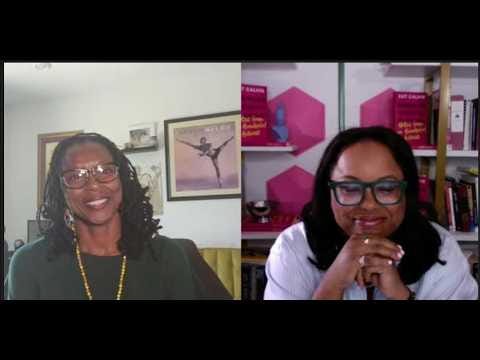
It sounds obvious when you say it out loud. But it reframes something important about how foundations actually work. The obstacle isn’t usually a director or a board that doesn’t care. It’s that the people closest to the work, the program officers who have spent months building relationships and understanding context, are often trying to move decisions through people who encounter this work three or four times a year. The fear that shows up in those rooms isn’t bad faith. It’s the natural result of a knowledge gap.
So what do you do with that?
Charmaine’s answer is as practical as it is relational: lead with their concerns, not your passion. If the person you’re trying to move is worried about legal risk, start there. Help them understand why the thing you’re excited about doesn’t actually create the exposure they’re afraid of. If they’re unfamiliar with a type of organization or a funding structure they haven’t seen before, give them the context before you give them the ask. Let the information do the work that enthusiasm alone can’t.
This matters especially right now, when so much of the most urgent and effective work is being done by organizations that don’t fit the standard legibility requirements. Groups without 501(c)(3) status. Orgs that are two years old and moving fast. Networks that live in relationships rather than infrastructure. The people doing this work often can’t wait for a funder to spend a year building familiarity. And the program officers who see them clearly need to be able to make the case efficiently, which means meeting their internal audiences where they are.
The Abby Lab exists, in part, to help close this gap. We work with funders who want to move capital to organizations and leaders that are harder to find and vet through traditional channels. If you’re trying to figure out how to get the right information in front of the right decision-makers, we’d love to be a resource.
Reach out at hello@theabbylab.com.
Do you know or are you an organization, group, or community movement doing great work? Fill out our survey and share!